
 See How You Can Save Money
 Buy Now Pay Later
 Schedule With Us Today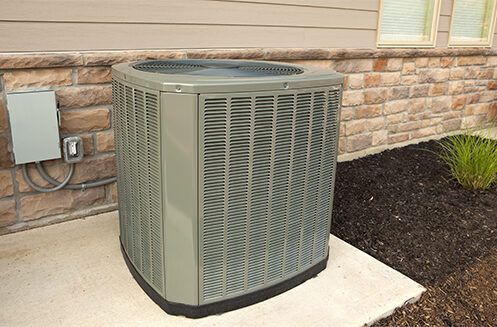
Ohio winters bring plenty of freezing weather, and that can really test a heat pump. You may notice longer run times, air that feels less warm coming from the vents, or indoor temperatures that rise slowly when it gets very cold. That experience can be frustrating when you are simply trying to stay comfortable.
Heat pumps are efficient during mild and moderately cold weather, but as outdoor temperatures drop, they have less heat available to move indoors. Many systems still operate below freezing, but their heating capacity and efficiency can decrease, especially during severe cold snaps.
At David White Services, we help homeowners understand winter performance issues in plain language. Below are common reasons a heat pump may struggle in freezing Ohio temperatures and what you can do about it.
There Is Less Heat Available Outdoors
A heat pump works by transferring heat from the outdoor air to the indoor air. That process is easier when temperatures are moderate. In very cold weather, there is still heat in the air, but there is less of it, and it is harder for the system to capture and move indoors.
When temperatures drop, the heat pump often needs to run longer to maintain your set temperature. You may notice slower temperature recovery after setbacks or that the home does not reach the thermostat setting as quickly on the coldest days.
Longer run times can increase energy use. Many homeowners notice higher winter bills during cold snaps because the system is working harder and may rely more on supplemental heat, depending on the setup.
Cold Weather Changes Refrigerant Pressures and System Output
Heat pumps depend on refrigerant and pressure changes to move heat. In very cold outdoor conditions, the pressure and temperature relationship in the system shifts, and the outdoor coil has a harder job absorbing heat. This can reduce how much heat the system can deliver indoors.
As output drops, you might feel air that seems cooler than expected, even though the system is running properly. You may also notice the heat pump running longer cycles to keep up.
Cold weather can also increase strain on key components, especially if the system is undersized, low on refrigerant, or already worn. Proper charging, airflow, and maintenance help reduce that stress and support dependable operation.
Snow and Debris Can Restrict Airflow Around the Outdoor Unit
Airflow is essential for heat pump performance. The outdoor unit needs open space to pull in and move outdoor air across the coil. Snow drifts, ice, leaves, or windblown debris can block airflow and reduce the system’s ability to gather heat.
If the coil cannot get enough air, the heat pump may struggle to maintain comfort. Restricted airflow can also contribute to frost buildup on the outdoor coil, which leads to more frequent defrost cycles.
Defrost cycles are normal in cold, humid conditions. During defrost, the system temporarily shifts operation to melt ice on the outdoor coil, and indoor heat output can drop for a short period. If airflow is blocked, defrost may be less effective and comfort can suffer.
Thermostat Choices Can Trigger More Supplemental Heat
Your thermostat controls how the system operates and when supplemental heat turns on. Large temperature increases can cause the system to run longer and may activate auxiliary heat (often electric heat strips) more often. That can raise energy use and create more noticeable temperature swings.
Frequent adjustments can also lead to inconsistent comfort. Heat pumps typically perform best with steady settings and small changes, especially during very cold weather.
Here are common thermostat mistakes:
- Large temperature jumps
- Frequent adjustments throughout the day
- Extreme temperature targets during cold snaps
How to Help Your Heat Pump Perform Better in Freezing Weather
In Ohio, some heat pumps may need support when temperatures drop well below freezing. Many homes use supplemental electric resistance heat, and some use dual-fuel systems that switch to a furnace when it gets very cold. Regular maintenance is also important because dirty filters, poor airflow, or worn components can make winter performance worse.
Here are effective ways to help your heat pump handle severe winter weather:
- Use reliable backup or auxiliary heat when needed
- Schedule regular professional maintenance
- Keep thermostat settings steady when possible
- Replace filters and support healthy airflow in the home
- Keep the outdoor unit clear of snow and debris
- Address performance issues early with expert service
- Prepare the system before winter
- Consider a dual-fuel setup or cold-climate equipment if appropriate
Get Trusted Help Today
David White Services helps Ohio homeowners with winter heating concerns. We provide heat pump service and furnace repairs, maintenance, and clear guidance for better cold-weather performance. Contact David White Services today to schedule a visit.